

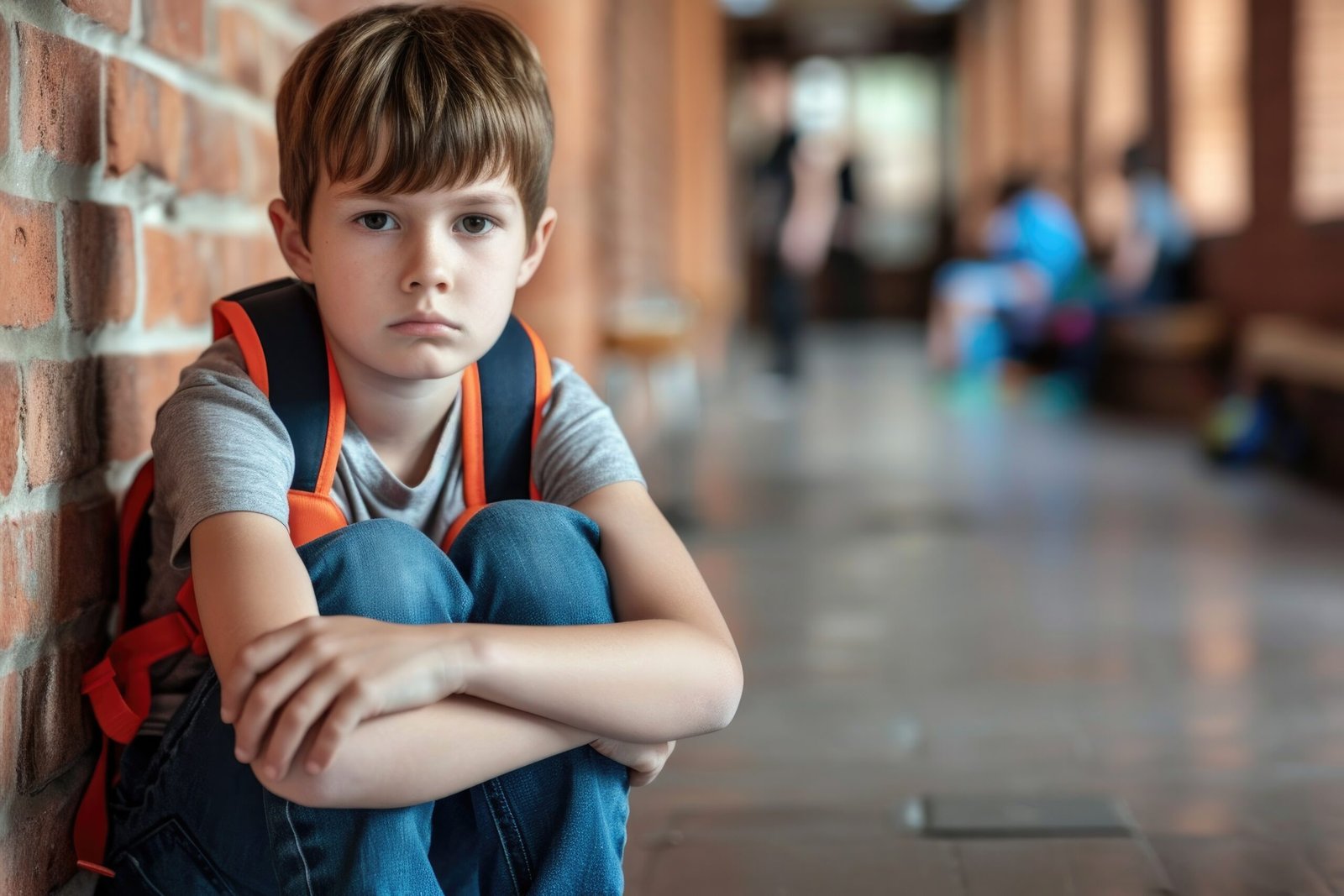
Bullying among children is a growing concern worldwide. Effective child bullying prevention is essential to protect children’s mental, emotional, and social well-being. Parents, schools, and communities all play a vital role in recognizing the signs of bullying and implementing strategies to prevent it. This guide provides parents with the knowledge and tools to safeguard their children and foster a safe environment.
What Is Bullying?
You can usually identify bullying through the following three characteristics: intent, repetition, and power. A person who bullies intends to cause pain, either through physical harm or hurtful words or behaviour, and does so repeatedly. Boys are more likely to experience physical bullying, while girls are more likely to experience psychological bullying.
Bullying is a pattern of behaviour, rather than an isolated incident. Children who bully usually come from a perceived higher social status or position of power, such as children who are bigger, stronger, or perceived to be popular.
The most vulnerable children face a higher risk of being bullied. These are often children from communities that are marginalized, children from poor families, children with different gender identities, children with disabilities or migrant and refugee children.
Bullying can happen both in person or online. Cyberbullying often occurs over social media, SMS/text or instant message, email, or any online platform where children interact. Because parents may not always follow what their children are doing on these platforms, it can be difficult to know when your child is affected.
Types of Bullying
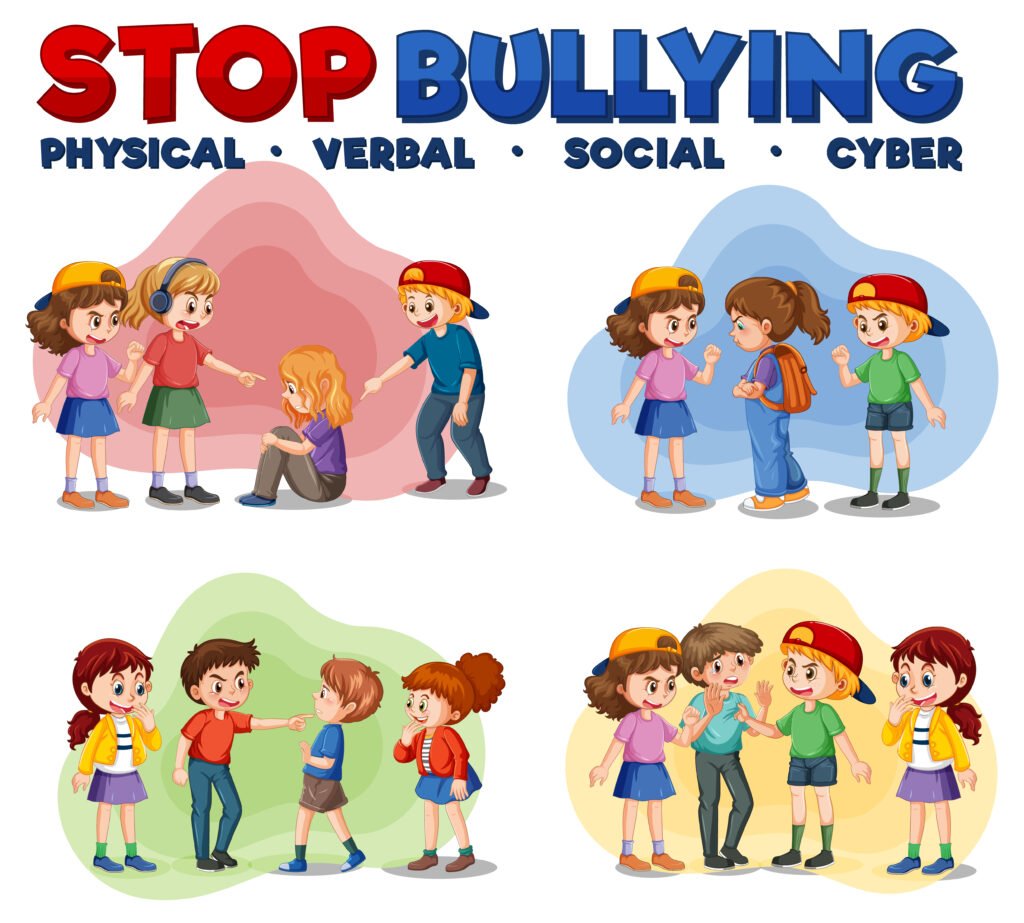
Physical Bullying: Hitting, pushing, or damaging belongings.
Verbal Bullying: Name-calling, teasing, or threats.
Social/Emotional Bullying: Excluding peers, spreading rumors, or public humiliation.
Cyberbullying: Harassment through social media, texts, or online platforms.
Recognizing these types is crucial for child bullying prevention.
Signs and Symptoms of Child Bullying
Children may not always share their experiences. Look for behavioral, emotional, and academic changes:
Withdrawal from friends or activities
Sudden drop in school performance
Frequent headaches, stomachaches, or sleep issues
Anxiety, sadness, or low self-esteem
Avoidance of school or social situations
Early recognition of these signs is a critical step in child bullying prevention.
Causes and Risk Factors
Bullying can arise due to multiple factors:
Family Environment: Exposure to neglect, inconsistent discipline, or domestic stress.
School Culture & Peer Influence: Larger schools with less supervision, peer pressure, and social hierarchy.
Digital Platforms: Cyberbullying through social media or messaging apps increases exposure and stress.
Understanding these risk factors helps in implementing child bullying prevention measures effectively.